1. Project Update
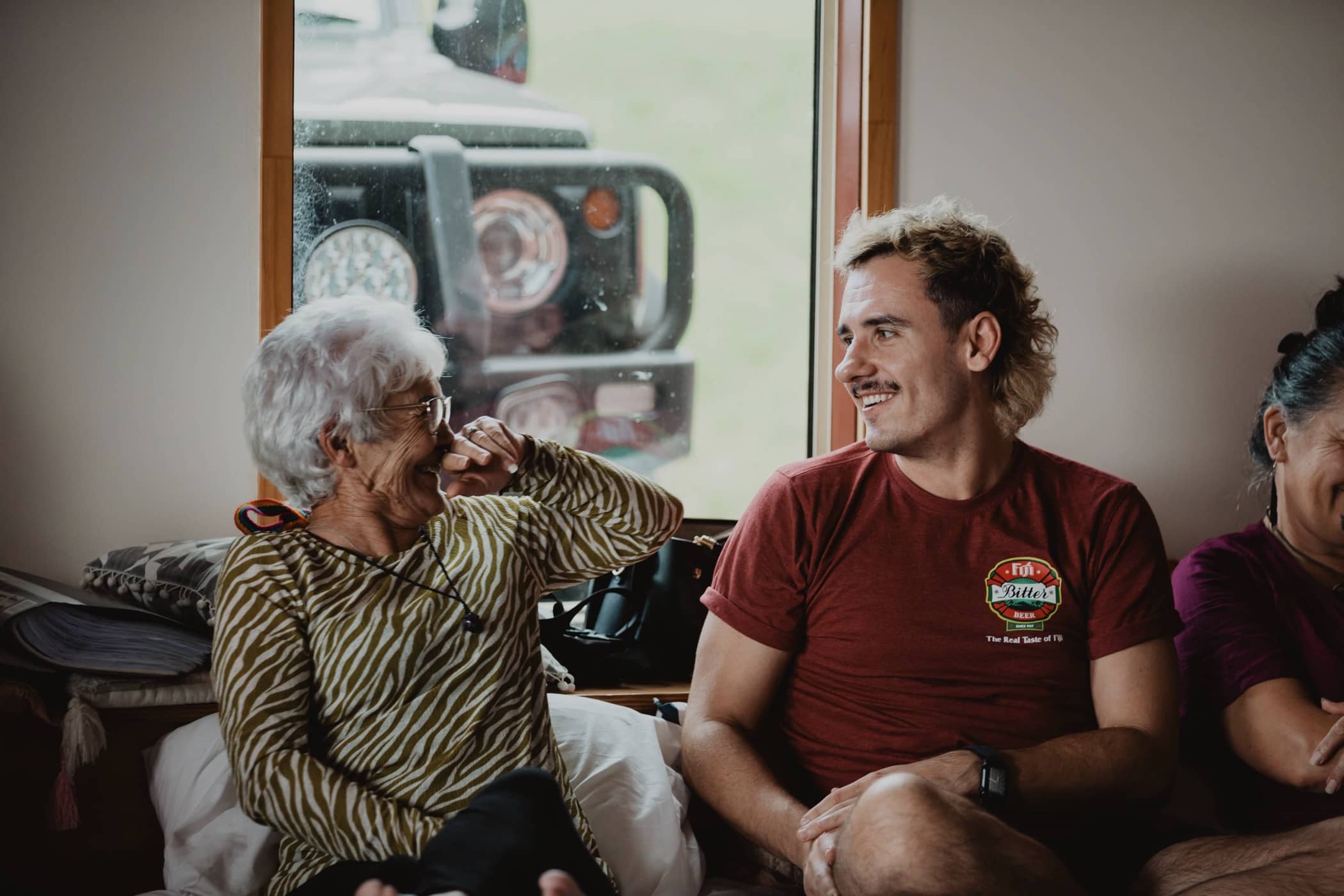
On 21 July, the Tū Wairua project team and our kaitieki (guides)-in-training met at Rangiwaho Marae to wānanga on our upcoming medical trials. The trials are a first for our rōpu and there are many steps to take and licenses and approvals to acquire so the timing was just right to plan ahead. Following te tikanga o Matariki, we reflected on where Tū Wairua has come from and where we are now, to inform where Tū Wairua is going in 2025 post Phase One trials.
Phase One clinical trials are tentatively scheduled to begin at the end of September and progress throughout late October and November. We’ve experienced delays in getting our medicine grown, processed, and into the country from Canada – the trials can’t progress without it! Participants have been selected among Rangiwaho whānau and must meet exclusion criteria to ensure they are safe during their involvement in the trial.
We have begun applying for funding to support Phase Two trials in 2025. We’ll update you on what these trials could look like at a future time.
With respect to legislation, there are still legal hurdles that make everything we want to achieve difficult (sometimes for good reasons, sometimes not). We plant to present to the Health Services and Outcomes Kaupapa Inquiry – WAI2575 – currently before the Waitangi Tribunal.
The publication – ‘Taonga Tikanga Tiriti’ is now available online: Navigating Taonga Species Protection: Towards a New Regulatory Framework for Controlled Taonga
The report proposes several pathways to reform, exploring alternative regulatory frameworks that centre Te Tiriti and tikanga Māori. It outlines potential strategies for pursuing these reforms through litigation, negotiations, or direct engagement with the Crown, aiming for a legislative landscape that truly reflects Aotearoa’s commitment to Indigenous rights.
2. Nau mai ki Anna-Leigh Hodge
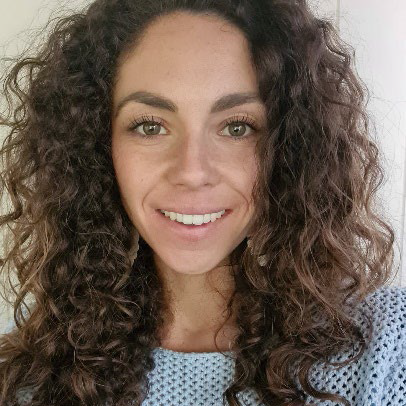
Anna-Leigh Hodge (Te Rarawa; Ngāti Wai) has joined te rōpu Tū Wairua as our academic lead. Anna-Leigh will be capturing knowledge around our Phase One trial to support the ongoing kaupapa. We’re delighted to have her and her colleagues at the University of Auckland committing their knowledge and expertise:
Ko Whangatauatia tōku maunga
Ko Karirikura tōku moana
Ko Roma tōku marae
Ko Parewhero tōku hapu
Ko Te Rarawa tōku iwi
Ko Huriki tōku maunga
Ko Whangaruru tōku moana
Ko Mokau tōku awa
Ko Mokau tōku marae
Ko te uri of Hikihiki tōku hapu
Ko Ngāti Wai tōku iwi
Nō hea Jersey, Channel Islands me Leigh on Sea ōku tupuna.
I tipu ake au e Muriwai, Tāmaki Makaurau.
E mahi ana au e te Kaimātai Hauora Hinengaro me PHD Tauira o Waipapa Taumata Rau.
Ko Anna-Leigh tōku ingoa.
Anna-Leigh Hodge is a descendent of Te Rarawa and Ngāti Wai. Anna-Leigh has been been a Registered Health Psychologist for the past 5 years working in Rehabilitation Medicine (traumatic brain injury, spinal cord injury, amputees, chronic pain and neurological disorders). Anna-Leigh is a Manu Kōrero for Tīwaiwaka under Pā Ropata, and a tauira of rongoā Māori.
Anna-Leigh is undertaking a PhD through the Faculty of Medical and Health Sciences at University of Auckland under Associate Prof Suresh Muthukumaraswamy, Tehseen Noorani, Dr Anna Forsyth and Dr Anna Rollerston. Anna-Leigh is passionate about indigenous wisdom, neuroscience, psychedelic medicine, rongoā Māori, aiding in the restoration of mātauranga Māori in the healing spaces, psychology, and population health outcomes. She is dedicated to having a positive impact on our health system and national health outcomes, especially addressing the areas of disparity for Māori, to improve the accessibility of holistic medicine within our communities.
3. Cultivation Update
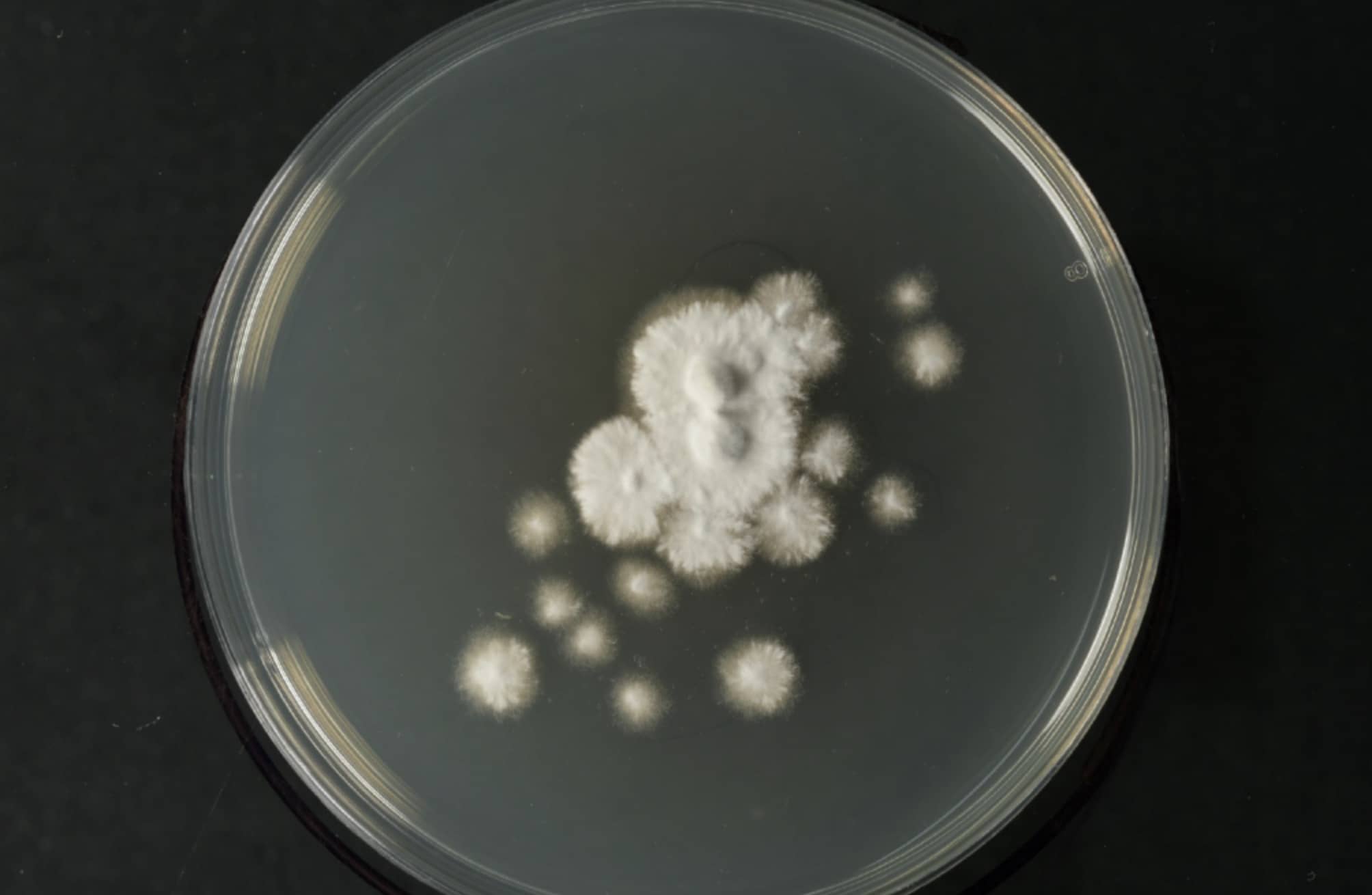
The distance and weather events over the past 2 months have made access to our cultivation site at RuaBioscience, Ruatoria difficult. We are reviewing and expanding our infrastructure and sterilisation setup. Despite this, we have viable germinated spores on agar, liquid culture and grain bags inoculating at present for species: Psilocybe subaeruginosa and tasmaniana). We have multiple spore swabs for all licensed subspecies. We’re currently sourcing a laminar flow hood -which provides a continuous stream of HEPA-filtered air creating a clean, contamination-free workspace. This sterile environment minimises the risk of losing valuable cultures due to contamination thus ensuring we are pono to our kaitiekitanga of foraged taonga. We’re also sourcing better work surfaces to assist with clean, contamination free operations, a commercial-grade pressure cooker for pasteurising substrates, and a humidifier – to provide the right levels of humidity at fruiting stage. We would like to have three separate, controlled zones for preparation and mixing, incubation, and fruiting respectively.
4. Chemical Analysis Update
ESR has successfully developed their methodology to accurately and precisely detect the amount of psilocybin and psilocin in mushroom samples with less than 3% error. The extraction method has been proven to be able to extract 97%+ of both compounds from mushroom samples. ESR have been consistently testing the mushroom samples provided by the Cultivation. ESR is now talking to other labs that are conducting similar research in the US and Canada to get some insight into their results and processes, and considering beginning work on DNA sequencing of NZ mushroom species to support their identification and characterization.
5. Future Wānanga
Our wānanga scheduled for late September has had to make way for trial sessions therefore will not be going ahead. Our final wānanga for the year is penciled in for 23 November at Rangiwaho Marae. Please retain this date in your calendar if you’re wishing to join us in person or online.

6. Recent Media
Magic mushroom gets go-ahead for marae trial – NZ Doctor (you can download a copy of the article at tuwairua.org)
Editorial: Psychedelic Humanities – Frontiers in Psychology
From Meth to Mushrooms – Bay Buzz, Hawkes Bay