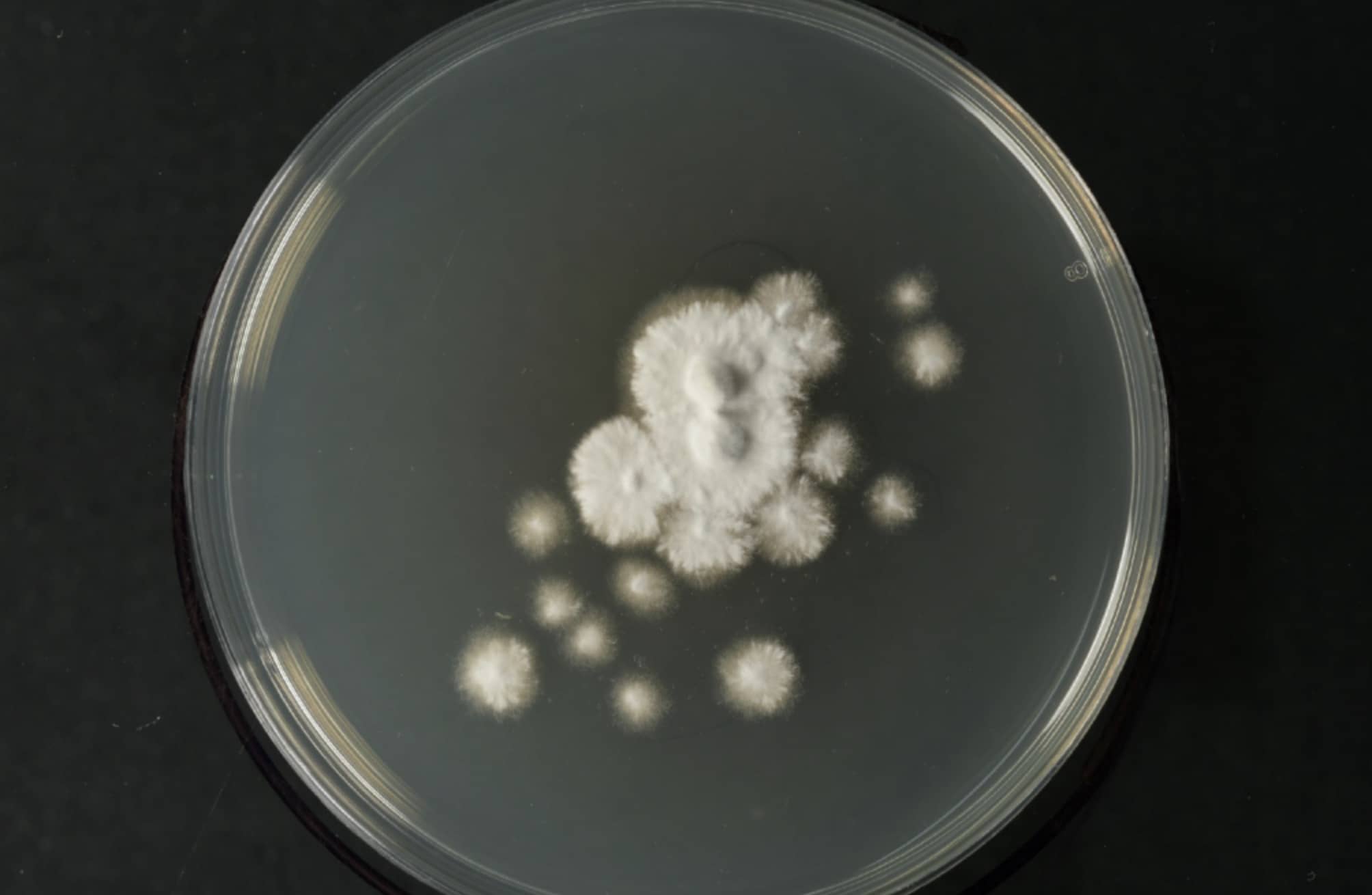
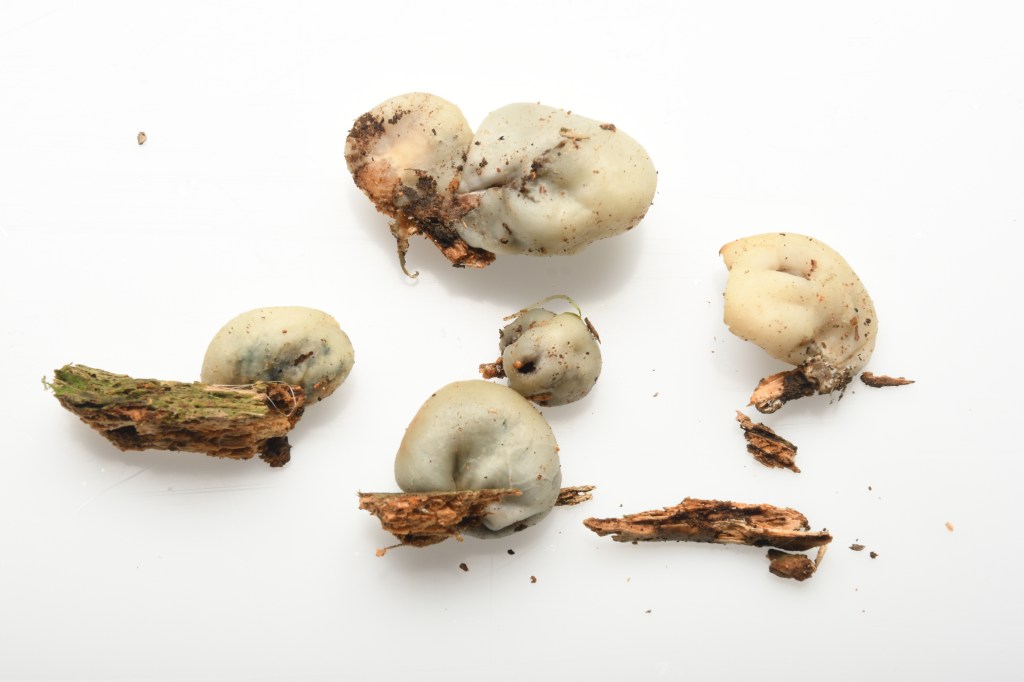
The granting of a licence to cultivate indigenous fungi containing psilocybin, the active compound found in psychedelic mushrooms, is the first of its kind in New Zealand and a major milestone in a Māori health science collaboration led by Rangiwaho Marae, based south of Gisborne. The licence was granted to Rua Bioscience, a biopharmaceutical business also based in Tairāwhiti. The company is involved as a research and development support partner for the project.
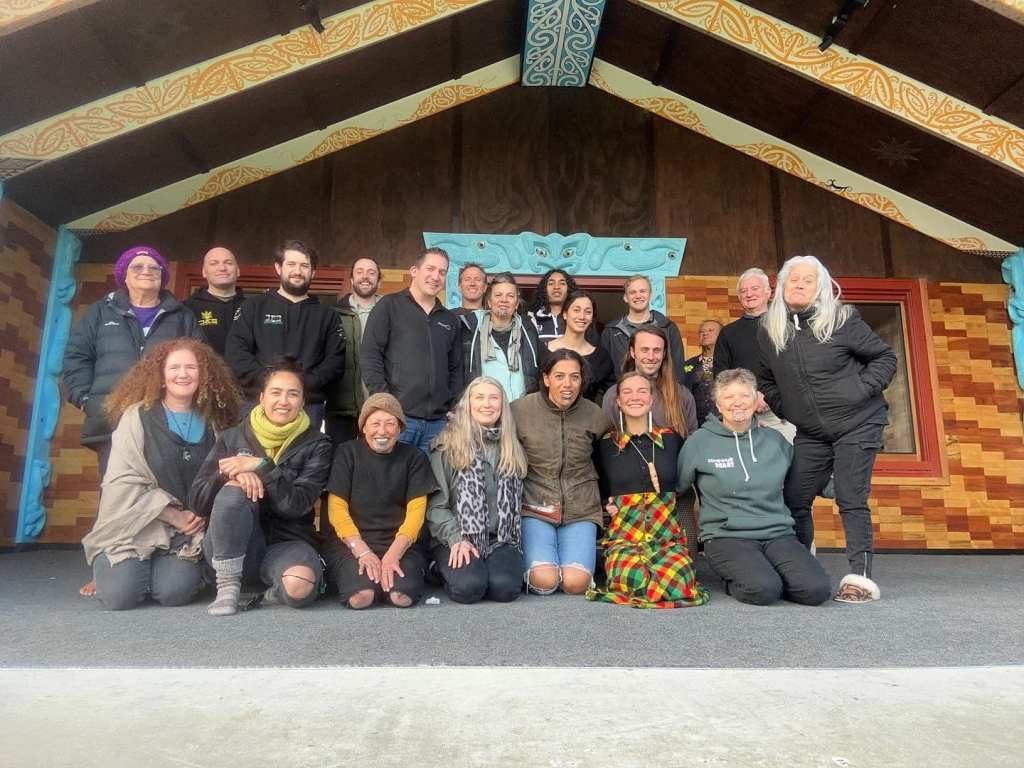
The granting of the licence is the next step in the collaboration including a network of rongoā Māori practitioners, ESR (Institute of Environmental Science and Research), University of Auckland, University of Waikato, Manaaki Whenua Landcare Research, Mātai Medical Research Institute, an iwi health provider and other community stakeholders. The collaboration aims to unlock the therapeutic potential of psilocybin found in indigenous varieties of ‘magic mushrooms’, which has been used in traditional medicine in Aotearoa and around the world for thousands of years.
Earlier this year, Australia changed the regulations to enable psilocybin to be prescribed by authorised psychiatrists to people experiencing treatment-resistant depression. In New Zealand any registered prescriber can apply to Medsafe for permission to administer an unapproved medicine.
The licence is only for cultivation research at this stage. ESR will be providing analytical testing services to determine the levels of psilocybin and other compounds in the fungi to ensure accurate dosing when the time comes to use the mushrooms in human trials.
Psilocybin has shown promise in preliminary studies for treating various mental health conditions, including depression, anxiety, and PTSD. Rangiwaho Marae, south of Gisborne, has been leading the planning for clinical trials involving rongoā practitioners, medical professionals and psilocybin. The trials will initially involve healthy adults to demonstrate the safety of psilocybin, but the goal is to help whānau affected by methamphetamine and other addictions.
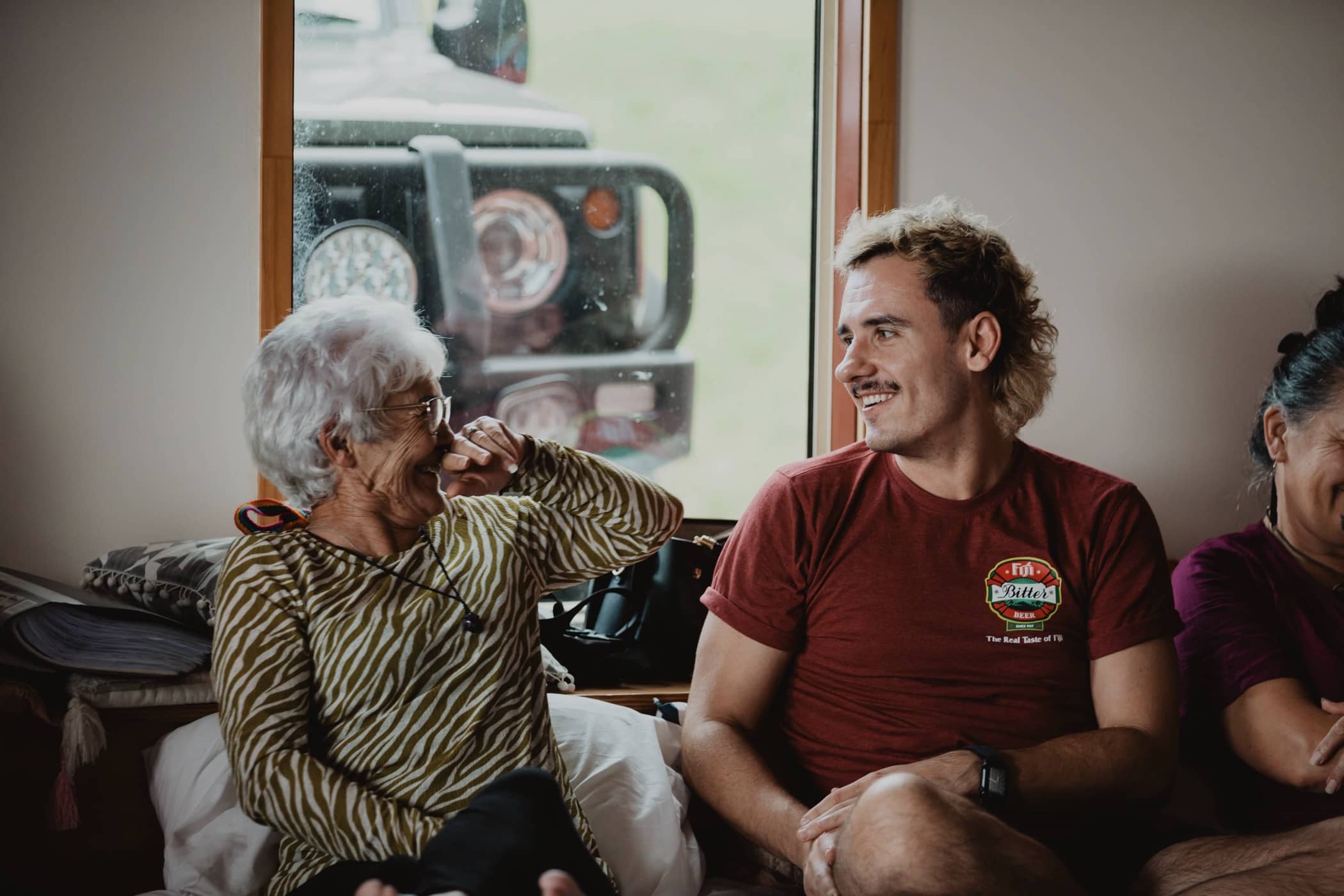
“We are hugely excited about this opportunity for our whānau” said Rangiwaho trustee Jody Toroa. “These taonga are provided by the atua and our people have been using them for healing and wellness for centuries. We have been learning from tohunga about how the taonga can help shift ingrained habits and unhelpful ways of thinking, to open up new possibilities.”
Paul Naske, CEO of Rua Bioscience, expressed enthusiasm about the new development: “It is a privilege to be involved in this ground-breaking project and we are excited to be able to support this kaupapa. It is exciting to see Australia and other jurisdictions embracing innovative and potentially life-changing medical research with psilocybin and exciting for Rua Bioscience to now be part of such a great national collaboration. Collaborating with Rangiwaho, ESR, rongoā practitioners and university medical researchers provides us with a unique opportunity to explore cultivation techniques that can contribute to research undertaken in a culturally safe environment with the support of a range of expertise. Bringing together Mātauranga Māori, psychedelic traditions and contemporary neuroscience research is world-leading innovation based here in Tairāwhiti.”
Mr Naske emphasised that this development would add to botanical pharmaceutical focus of Rua Bioscience, was cost-neutral and in no way detracted from the commercial priorities of the company which is currently selling cannabis-derived medicines in Europe and Australia.
Project regulatory advisor Manu Caddie said the decision by Manatū Hauora, the Ministry of Health, to grant the cultivation licence reflects a global shift in attitudes towards psychedelic substances and their potential therapeutic value. It will help position New Zealand as part of the pioneering group of jurisdictions supporting this evolving research domain.
Official Information provided by Medsafe last month to the New Zealand Drug Foundation showed that no one in New Zealand has been prescribed psilocybin to date in a clinical setting. Three applications have been made for using psilocybin in clinical trials, all in the past 18 months.
Rangiwaho Marae has received Health Research Council funding to progress the clinical research programme and Rua Bioscience will now begin cultivation trials with the aim of producing consistent levels of psilocybin to be used in clinical trials.
—-
Frequently Asked Questions
- What is psilocybin?
- Psilocybin is a naturally occurring psychedelic compound produced by more than 200 species of fungi. In general, the effects include euphoria, visual and mental hallucinations, changes in perception, distorted sense of time, and perceived spiritual experiences.
- What varieties of mushroom will be cultivated?
- Only the seven varieties endemic to Aotearoa are being considered for this kaupapa. The initial licence allows for one variety, the project team expect to add more species in the future.
- What medical expertise is involved?
- A local GP and nurse are involved in the research design and planning, and medical doctors and health researchers from the School of Medicine at the University of Auckland and the University of Waikato have been supporting the development of the research programme. A medical doctor will be involved in prescribing during the clinical trials, including the pre-screening and post-session follow-up consultations.
- What cultural expertise is involved?
- A number of rongoā practitioners are involved in the development of the clinical research programme and will participate in the clinical trials, providing guidance and support to participants.
- What are the legal provisions for the cultivation activity?
- Section 2(e) of the Misuse of Drugs Act 1975 lists prohibited plants, included in this list is: “any fungus of the genera Conocybe, Panaeolus, or Psilocybe from which a controlled drug can be produced or which contains a controlled drug.”
- Section 8 of the Misuse of Drugs Regulations 1977 provides for the licenced cultivation of prohibited plants (including fungi producing psilocybin, except for two species).
- Can psilocybin help with mental health issues?
- Psilocybe mushrooms have potential medical uses in the treatment of mental illnesses and disorders such as depression, anxiety, alcoholism and PTSD, and potential therapeutic uses for things like counselling and even grief.
- Numerous studies have been carried out (most notably by Prof David Nutt and Imperial College, London) into the usefulness of Psilocybe mushrooms, particularly in the treatment of depression. The findings of these studies show a high correlation between controlled psilocybin experiences and the lessening of depression in subjects, sometimes from as little as one psilocybin experience.
- Studies have also shown a correlation between microdosing psilocybin (consuming a dose far smaller than that which would produce psychedelic effects) and the treatment of less serious conditions like migraines and cluster headaches.
- In February 2023, the Therapeutic Goods Administration (TGA), Australian Government Department of Health and Aged Care, announced that from July 1, 2023, psilocybin will be medically accessible and regulated for psychiatric use in treatment-resistant depression (TRD). The New Zealand government generally follows regulatory changes in Australia, but is yet to make similar changes here.
- What is the addiction risk?
- Psilocybin is not considered addictive as it does not produce compulsive drug-seeking behaviour.
- Psilocybe mushrooms seem to have a very low potential for addiction in humans. There have not been any significant cases of people becoming detrimentally addicted to mushrooms.
- Psilocybin molecules have not been seen to change the supply of any endogenous neurotransmitters, nor do they affect activation of neural receptors through the use of the brain’s existing supply of neurotransmitters (like cocaine or MDMA do). Instead, psilocybin molecules seem to mediate their effects through activating 2A serotonin receptors while leaving the brain’s existing supply of serotonin untouched. This prevents the potential for upregulation or downregulation of neurotransmitters, and therefore strongly negates the potential for physical addiction.
- The body has a high tolerance for repeated use of Psilocybe mushrooms. A user consuming psilocybin one day would have a far diminished effect consuming the same amount the next day. The body’s ability to quickly create a high tolerance for psilocybin means there is a low potential for addiction.
- What is the toxicity risk?
- The UK Independent Scientific Committee on Drugs ranks psychedelic mushrooms very low on the harm scale and said that, unlike many other recreational drugs, psilocybin is fairly non-toxic.
- Psilocybin should not be mixed with any other illicit drugs, alcohol or nicotine. Drug combinations can be unpredictable, dangerous and potentially even fatal.
- Psilocybin should not be mixed with any psychiatric medication or any anti-depressants such as SSRIs or MAOIs. Psilocybin molecules are theorised to affect the same neural receptors as some prescription drugs and they should not be mixed to exclude any potential for adverse drug-drug interactions.
- How many varieties of indigenous psychedelic fungi are there?
- To date, seven varieties of fungi endemic to Aotearoa have been found to contain psilocybin or psilocin.
- Do Māori have a tradition of using hallucinogens?
- No written records exist of Māori utilising of fungi for hallucinogenic effects, but certain whānau have maintained a tradition of using psilocybin producing mushrooms for generations.
—–
About Rangiwaho Marae: With strong links to Te Kooti and Ringatū, Rangiwaho is affiliated to Ngai Tāmanuhiri and sits at the foot of Oraki Maunga. The marae was rebuilt and opened in 2012 with a commitment to environmental sustainability as a core kaupapa for the whānau. The marae is a place of healing and restoration, not just for descendants of the original inhabitants, but for visitors from around the country and around the world.
About Rua Bioscience: Founded in Tairāwhiti, Rua Bioscience is a pioneer in the New Zealand biopharmaceutical sector, committed to harnessing the therapeutic potential of natural compounds. The multidisciplinary team works tirelessly to ensure ethical and sustainable practices, keeping patient needs at the forefront of company endeavours.
—
For media inquiries:
- Manu Caddie (Project Advisor & Media Contact): 0274 202 957
- Jody Toroa (Rangiwaho Marae): 022 044 0733
- Paul Naske (CEO, Rua Bioscience): 021 445154